Why Dry Fruits Tin Containers Are Better Than Plastic or Pouches
By admin
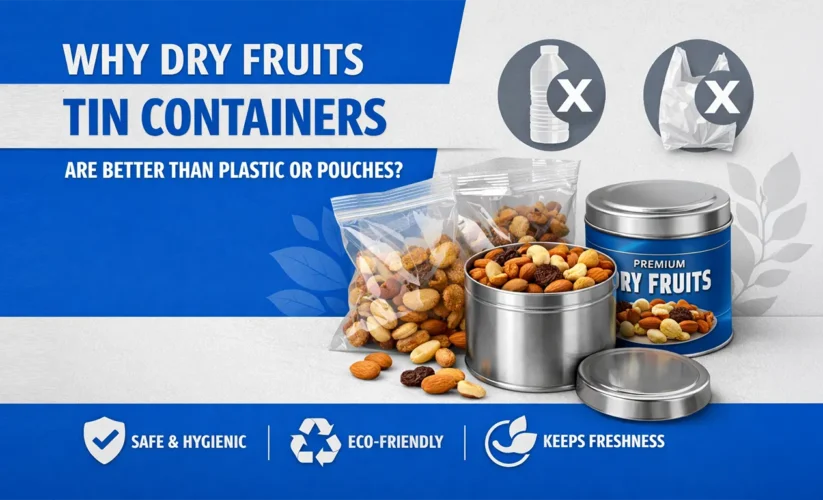
When evaluating packaging materials, decision-makers must consider shelf life, safety compliance, transport durability, and long-term brand value. A well-chosen format supports both operational performance and customer satisfaction.
Premium brands are choosing dry fruit tin containers increasingly for their combination of protection, presentation, and structural reliability.
Common Packaging Options for Dry Fruits in the Market
Plastic Jars
Plastic jars are widely used for their lightweight and lower initial cost. However, they offer limited protection against oxygen transmission and long-term flavour degradation.
They may also scratch easily and lose clarity over time, affecting product presentation on retail shelves.
Laminated Pouches
Laminated pouches are flexible and cost-efficient for mass distribution. While they provide basic barrier properties, they are prone to tearing and crushing during stacking or transit.
In festive and gifting segments, pouches often lack the premium perception that customers expect.
Vacuum Packs
Vacuum packaging helps reduce oxidation by removing air. It is suitable for bulk storage but may not deliver the rigidity required for premium retail packaging.
Once opened, resealing options are limited, which affects consumer convenience.
Tin Containers
Dry Fruits Tin Containers provide a rigid structure, strong barrier protection, and superior shelf presence. As a food-grade solution, they combine durability with branding flexibility.
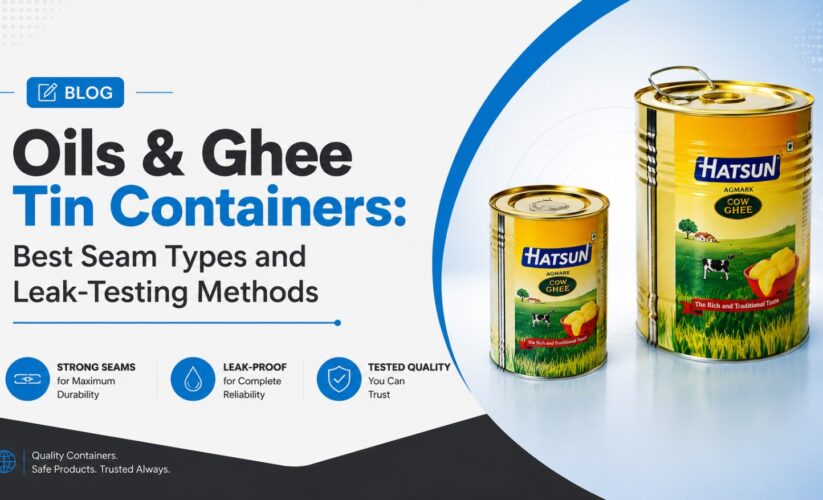
Tin container manufacture also allows precise engineering for airtight sealing and long-term storage stability.
Shelf Life Comparison: Tin vs Plastic vs Pouches
Shelf life largely depends on protection against moisture, oxygen, and light exposure. Dry fruits are particularly vulnerable to humidity and oxidation, which can cause rancidity and affect their texture.
Tin packaging provides strong barrier protection against external contaminants and UV exposure. Unlike many plastics, it prevents gradual permeability that can affect flavour over time.
When sealed correctly, dry fruit tin containers help retain the aroma, crisp texture, and nutritional integrity of the contents over longer storage periods.
Strength and Durability During Transport
Festive distribution often involves long supply chains and bulk stacking. Flexible pouches may deform, and plastic jars can crack under pressure.
Tin containers provide structural rigidity, protecting contents from crushing and external impact. This becomes particularly important for export consignments and corporate gifting shipments.
For procurement officers managing high-volume dispatches, reduced transit damage directly lowers return rates and financial losses.
Premium Appearance and Brand Positioning
Packaging strongly influences consumer perception in festive markets. While plastic communicates functionality, tin conveys durability and premium value.
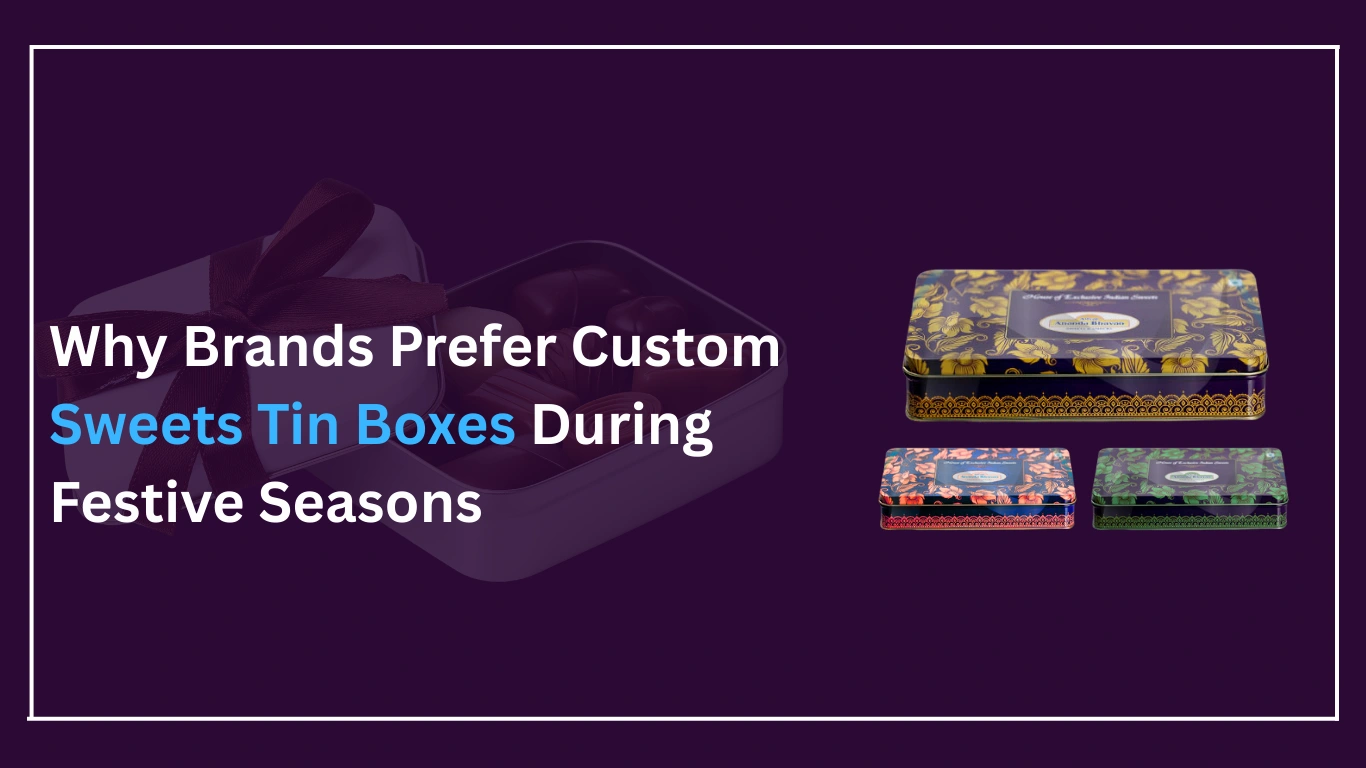
Printed and embossed Dry Fruits Tin Containers create a refined look suitable for gifting and special editions. The metallic finish enhances shelf differentiation in competitive retail spaces.
For private label exporters and gifting brands, presentation quality can influence repeat orders and long-term partnerships.
Reusability and Sustainability Benefits
Environmental considerations are now central to packaging decisions. Unlike laminated pouches that are difficult to recycle, tin is fully recyclable without loss of properties.
Consumers often reuse tin containers for storage, extending their lifecycle beyond the initial purchase. This reinforces brand recall in households and offices.
From a sustainability perspective, tin container manufacture aligns with responsible material usage and circular economy practices.
Export Suitability: Why Tin Is Preferred for International Shipping
Export markets demand packaging that withstands humidity variations, temperature shifts, and extended transit times. Plastic may warp under heat, and pouches can puncture.
Tin containers resist climatic stress and maintain structural integrity during sea and air freight. Their stackability optimises container space and reduces movement during transit.
For bulk exporters, choosing Dry Fruits Tin Containers helps ensure consistent quality delivery across international markets.
Customisation Options Not Possible with Pouches
Embossing
Embossed logos and festive motifs add tactile distinction that flexible materials cannot replicate. This enhances brand identity and perceived product value.
Premium Printing
Custom Shapes
Tin container manufacture supports square, rectangular, round, and decorative shapes. This flexibility allows brands to create differentiated festive collections.
Festive Editions
Limited-edition designs for Diwali, weddings, or corporate gifting can be developed with specialised finishes. Pouches lack the rigidity and visual presence required for such editions.
When Should a Brand Shift from Plastic to Tin Packaging?
A shift becomes relevant when a brand enters premium retail segments or export markets. Increased focus on gifting, branding, and product longevity often requires stronger packaging.
If damage rates rise during transport or customer perception demands a higher-quality presentation, tin becomes a practical alternative. Procurement teams also consider scalability and supplier reliability during this transition.
Food supplements in tin containers share similar protective requirements, demonstrating how tin packaging supports both food safety and shelf-life stability across categories.
Conclusion:
Selecting the right packaging is not only about cost comparison but also about long-term operational efficiency and brand positioning. Dry fruits tin containers offer improved shelf life, enhanced protection during transit, and a premium presentation suited for festive markets.
Nikita Containers can align packaging strategy with performance expectations and evolving market demands. For further clarification on packaging suitability or to explore scalable production options, contact us to initiate a structured consultation.
FAQs:
Are dry fruit tin containers better for long-term storage?
Yes, dry fruit tin containers provide excellent protection against moisture, air, and light exposure. Their strong barrier properties help preserve freshness, crunch, and natural flavour for extended periods.
Why do premium dry fruit brands prefer tin packaging over plastic?
Premium brands choose tin packaging because it enhances both product protection and brand perception. Tin offers durability, premium aesthetics, and better shelf presence compared to plastic jars or pouches.
Can dry fruit tin containers be customised for festive packaging?
Yes, tin containers can be customised with embossing, premium printing, custom shapes, and festive designs. This makes them ideal for Diwali hampers, wedding gifts, and corporate gifting.
Are dry fruit tin containers environmentally friendly?
Tin is 100% recyclable and can be reused multiple times without losing its properties. Compared to multi-layer pouches, it supports more sustainable packaging practices.
What should buyers check before choosing a dry fruit tin container supplier?
Buyers should evaluate food-grade certification, sealing quality, coating standards, production capacity, and consistency in bulk supply. Exporters should also verify packaging durability under shipping conditions.
Ready to elevate your brand with premium tin packaging?
Get in touch with us today!
(or)